

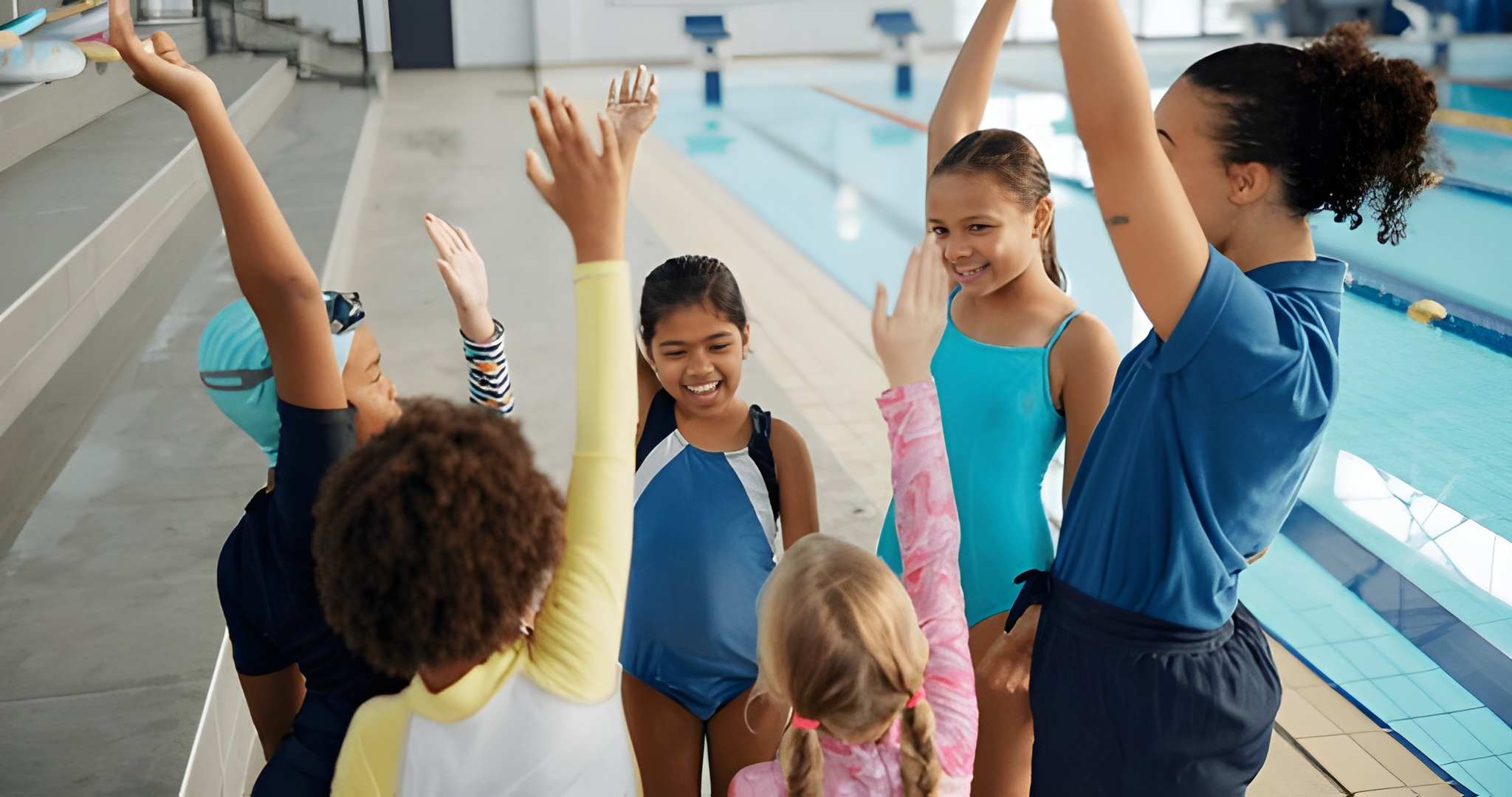


How to Help Your Child Overcome Fear of Water
For many children, stepping into a pool for the first time is a mix of excitement and uncertainty. The sparkle of blue water can feel inviting, yet intimidating at the same time. While some kids take to it right away, others develop an understandable fear of water. Whether it’s the fear of deep water, fear of drowning, or just unease around pools, helping your child build comfort and confidence takes time, patience, and the right approach.
If your little one hesitates during swimming lessons or clings tightly at bath time, you’re not alone. Water anxiety is common—but with the right support, it’s entirely possible to help your child move from fear to joy.
Key Takeaways
- Every child’s fear of water has a root—recognize it before you try to fix it.
- Start small and make water confidence training a daily, positive experience.
- The right swimming pool for kids and environment make all the difference.
- Trained instructors at Puddles Swim School can help your child feel safe and capable.
- Overcoming fear isn’t about speed—it’s about trust, joy, and consistency.
Recognizing the Signs of Water Anxiety
The first step is to understand where your child’s fear comes from. Children express anxiety differently—some might cry or refuse to go near water, while others might freeze or hold their breath even when splashed lightly.
Watch for signs like:
- Avoiding pools or baths
- Tense body language or trembling
- Clutching an adult tightly when near water
- Refusing to participate in swimming lessons or swim school activities
Sometimes, the root lies in past experiences, such as slipping underwater or hearing about accidents. Other times, it’s the unknown—fear of ocean/pool depth or the sound and texture of water.
Acknowledging these feelings is essential. Don’t brush off their fear by saying things like “there’s nothing to be scared of.” Instead, meet them where they are. Try saying, “I know water can feel big and a little scary, but we’ll take it one step at a time.” When your child feels understood and supported, confidence starts to grow naturally.
Creating Positive Water Experiences at Home
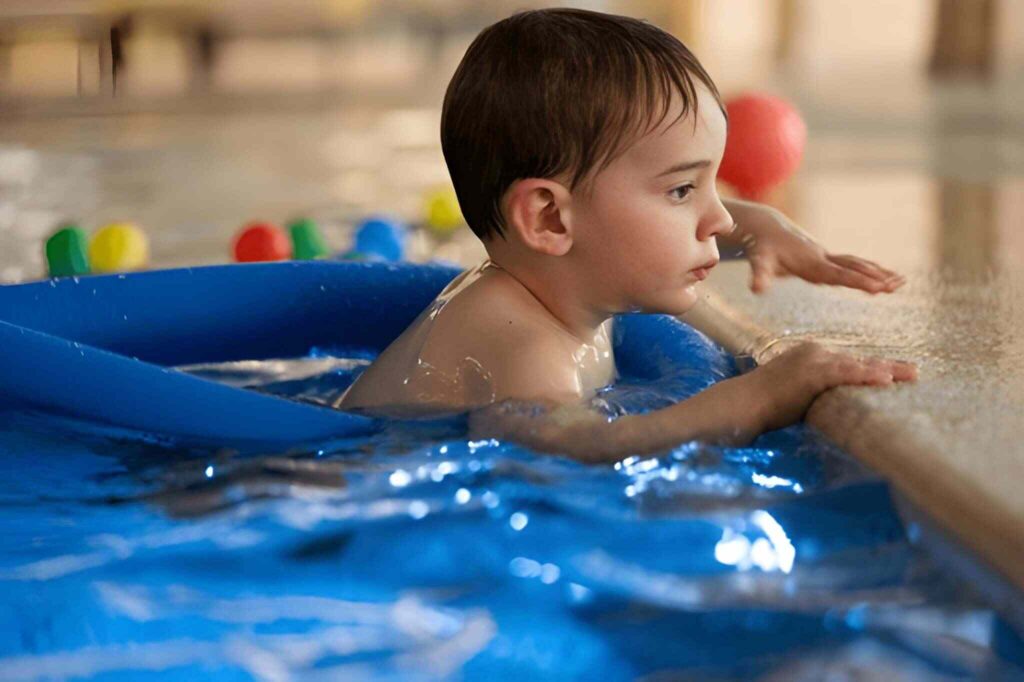
You don’t need a pool to help your child get comfortable with water. The goal is to make water feel familiar, safe, and even fun long before formal swimming lessons begin.
Start small:
- Encourage playful swimming exercises in the bathtub, like gentle splashing or floating toys.
- Let them pour water from one cup to another to build water confidence training in a stress-free way.
- Use songs, games, and laughter—linking water with joy, not pressure.
If your child is nervous, never force submersion. Instead, celebrate tiny victories—putting feet in the tub, blowing bubbles, or rinsing hair without tears. Positive reinforcement builds trust and turns fear into curiosity.
You can also read books or watch shows featuring characters learning to swim. Representation helps normalize the experience. And remember: consistency matters more than duration. A few minutes of calm, happy exposure to water every day can make a world of difference.
Choosing the Right Swim Environment
Once your child is ready to venture beyond the home, the environment plays a crucial role. Not all swimming pool for kids setups are equal—look for spaces designed specifically for children, with shallow ends, warm water, and gentle supervision.
A kid’s swimming class should feel welcoming, not intimidating. Group sizes should be small enough that each child gets attention without feeling overwhelmed. Soft lighting, clean facilities, and friendly faces can help your child associate swimming with comfort and routine.
When researching kid’s swimming lessons, consider these factors:
- Instructor qualifications in swimming safety for kids
- Child-to-instructor ratio
- Warm-up and play-based teaching approaches
- Clear safety measures and emergency procedures
Many children develop courage when they see other kids enjoying the water. Peer learning boosts motivation and normalizes the experience. If your child struggles, remind them that every swimmer starts somewhere—it’s not about perfection, but progress.
You can also discuss swimming precautions for kids—like wearing goggles or using floatation aids—to help them feel secure and in control. Gradually, your child will associate the pool with mastery instead of mystery.
How Professional Instructors Help Ease Fear
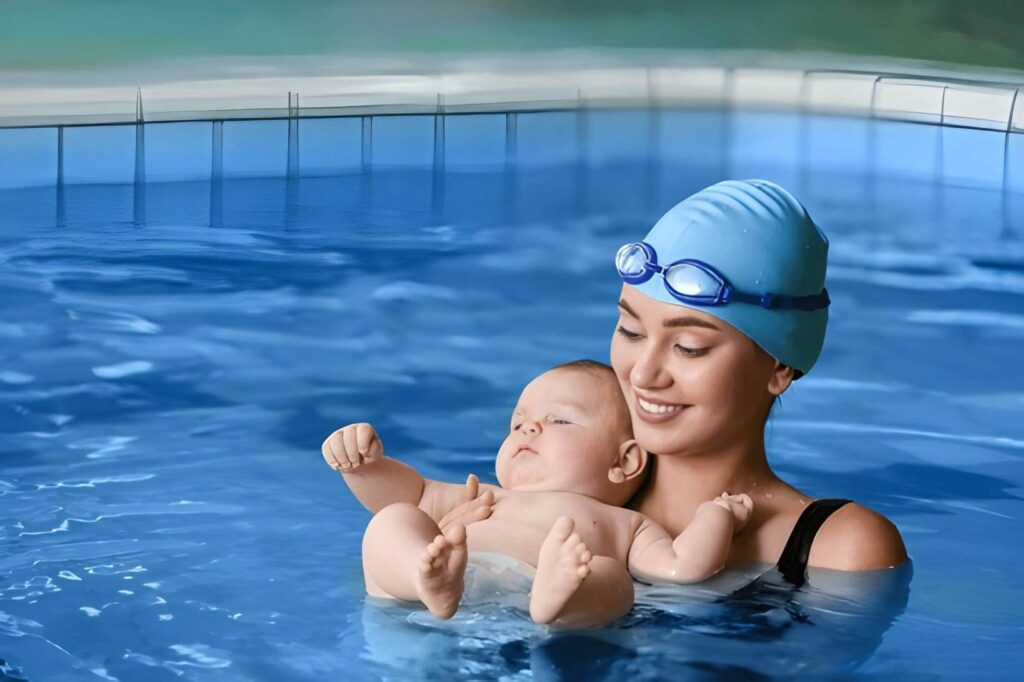
This is where professional guidance can make all the difference. Experienced instructors know that fear doesn’t disappear overnight—it’s patiently replaced with skill and trust.
At Puddles Swim School, every instructor is trained to work with children who may feel nervous or anxious around water. Through gentle encouragement, structured lessons, and plenty of praise, they help kids build both technical ability and emotional confidence.
The school’s swim lessons emphasize play-based learning and water safety. Instructors introduce new techniques only when the child is ready, ensuring that each milestone feels like a personal win.
A good swim school doesn’t just teach strokes—it teaches comfort. Children learn that floating, breathing, and moving in water are natural extensions of their abilities. This nurturing approach transforms fear into excitement and independence.
For children with deeper anxieties, local programs like Puddles Swim School Kitchener offer tailored sessions to address specific fears. These can range from private Kitchener swimming lessons to small-group settings, depending on what makes the child most comfortable. The focus is always on gradual, positive progress rather than competition.
Encouraging Confidence Beyond the Pool
Water confidence extends far beyond formal classes. Reinforcing these lessons at home is key to helping your child retain skills and stay calm.
After each class, celebrate small achievements:
- “You dipped your chin in today—that’s awesome!”
- “You kicked your legs all by yourself!”
Confidence grows from feeling seen and capable. Let your child share their learnings with family members or friends—teaching others can strengthen their own understanding.
You can also schedule family visits to the pool for open playtime. When parents join in and show comfort around water, children naturally mirror that behavior. Use games like retrieving pool toys or counting underwater bubbles to keep things lighthearted and goal-oriented.
Overcoming Fear of Deep Water
Even once children are comfortable in shallow areas, fear of deep water often lingers. This is natural—it’s the sense of losing control or not knowing what lies beneath.
Instructors often tackle this gradually, introducing depth step-by-step. Start with floating on the surface near the edge, then slowly move toward deeper sections as your child gains stability. Holding onto the wall or a parent’s hand can make the transition smoother.
It’s also helpful to explain buoyancy—how our bodies naturally float when we stay calm. Demonstrating and practicing this together helps children trust their abilities. Over time, the “deep end” becomes just another part of their growing confidence.
Conclusion
Helping your child overcome fear of water is not about rushing or forcing—it’s about guiding them toward trust, joy, and independence. With patience, consistency, and the right environment, any child can grow into a confident swimmer.
At Puddles Swim School, we believe every child deserves to feel safe and happy in the water. Our gentle, child-centered approach combines fun, structured swimming lessons, and expert care to help young swimmers thrive. Whether your child is just starting out or working to overcome fear of deep water, we’re here to make that journey positive and empowering.
Remember, the goal isn’t just to swim—it’s to love the water.
Frequently Asked Questions
Children can begin learning basic water safety as early as six months old through parent-assisted programs. The earlier the exposure, the more natural it feels.
Start small—practice blowing bubbles or letting droplets fall gently on their face. Gradual exposure works best.
Start by keeping things gentle and playful. Let your child explore water in everyday ways—splashing during bath time, filling cups, or playing with floating toys. Always move at their pace and celebrate small wins.
When swimming itself causes anxiety, take it step by step. Focus on breathing and floating before worrying about strokes. Supportive, play-based swimming lessons can make all the difference—especially when taught by instructors who understand childhood fears. At Puddles Swim School, our approach helps children replace fear with fun, building confidence one splash at a time.
Other Blogs
Swimming is not just a recreational activity, it is a skill that is life-saving and necessary for every child to learn. For families in Ontario, particularly in the Kitchener area, with so many lakes, rivers, and backyard pools, there is always water nearby. To ensure your child is confident and safe in or around water, … Swim Smart: A Parent’s Guide to Swim Lessons in Ontario

sign up for our weekly newsletter
Lorem ipsum dolor sit amet consectetur. Lectus molestie nisi vitae leo et consectetur.
