



Content
- Step 1: Set a Clear Goal
- Step 2: Assess Your Comfort Level in the Water
- Step 3: Master Breathing Fundamentals
- Step 4: Develop a Foundation for Swimming Techniques
- Step 5: Get Essential Swimming Equipment for Beginners
- Step 6: Stay Consistent
- The Instructor’s Role in Building Trust
- Learn to Swim as an Adult: It’s Never Too Late
- The Social Benefits of Swimming
- Safety and Swimming Skills
- Conclusion
Swimming Made Simple: A Step-by-Step Guide for Adult Beginners
Water is a unique substance that will both challenge us and relax us. For many adults, merely thinking about taking swimming lessons will create feelings of excitement, anxiety, and even fear, all of which are perfectly normal. Swimming is not only a life-saving skill, but it is also is a whole body workout, a mental escape, and a way to connect with yourself. It builds confidence, endurance, and flexibility, while offering a sense of liberation that’s hard to find elsewhere.
If you’ve ever wondered how to start your swimming journey, this guide is tailored just for you. From setting goals to mastering breathing techniques, and from building trust with your instructor to staying consistent, we’ll cover everything you need to embark on your path to becoming a competent swimmer. Along the way, we’ll touch on the benefits of swimming, correct common mistakes, and answer frequently asked questions that beginners often have.
Key Takeaways
- Set clear, achievable goals to make your swimming journey purposeful.
- Comfort and confidence in water are foundational to learning swimming skills.
- Proper breathing techniques improve endurance and make swimming enjoyable.
- Consistency and practice are crucial for mastering swimming strokes.
- A supportive instructor can transform fear into skill and joy in the water.
Step 1: Set a Clear Goal

Learning to swim as an adult begins with clarity. Ask yourself why you want to swim. Is it for swimming lessons to boost fitness? For the social benefits of swimming, like joining a local swim club? Or for more specific goals, like preparing for a triathlon or improving your posture through water exercises?
Setting a goal isn’t about pressuring yourself; it’s about creating a roadmap. If your goal is to swim for cardio fitness, for example, you’ll approach training differently than if you’re aiming to master swimming strokes for recreation. Having a clear goal gives your sessions purpose and helps you measure progress without feeling overwhelmed.
Step 2: Assess Your Comfort Level in the Water
Before diving into swim stroke lessons, it’s important to assess how comfortable you are in water. Adults often carry apprehension from childhood fears or negative experiences. Start in a shallow pool and spend time simply getting used to the sensation of floating.
Exercises like standing in chest-deep water, gently submerging your face, and practicing blowing bubbles can reduce anxiety. If your goal is water confidence training, these small steps are crucial. Comfort in water is the foundation upon which all your future swimming techniques will be built.
Step 3: Master Breathing Fundamentals

One of the biggest hurdles for beginner adults is breathing. Proper breathing affects everything from endurance to swimming technique. Start by practicing rhythmic breathing on land and then in the pool.
Try exhaling underwater and inhaling above water without panic. Mastering this will make learning adult swimming lessons much smoother and improve your swimming stamina. A swimmer who breathes effectively enjoys longer, more controlled sessions, reducing fatigue and increasing confidence.
Step 4: Develop a Foundation for Swimming Techniques
With your breath established, it’s time to start working on your swimming skills. Start with the basics like freestyle or backstroke and then work your way to advanced strokes such as breaststroke or butterfly.
There are lots of common mistakes in backstroke swimming, such as poor arm placement or having your hips over-rotated, which are easily corrected with some prompting. Don’t rush, let’s take our time—perfecting swimming strokes for breathing and body position means you develop efficiency, not fatigue. Remember: even being coached on swimming takes small, consistent steps and over time, the effect is huge.
Step 5: Get Essential Swimming Equipment for Beginners
While swimming is a low-equipment sport, the right gear enhances learning. Essentials include a well-fitted swimsuit, goggles, swim cap, and optionally, kickboards or fins. These tools are not just for comfort—they help you focus on how to improve swimming technique without unnecessary strain.
Goggles protect your eyes and allow you to observe your form underwater. Kickboards strengthen your legs and help isolate certain strokes. Fins can teach proper kick mechanics and increase your swimming endurance. Investing in good equipment is an investment in your confidence and performance.
Step 6: Stay Consistent
Consistency, the real champion in mastering a swimming skill, is key to success. You will not become a swimmer by attending only one session. The benefits of swimming come by practicing regularly, ideally 2-3 times a week which will reinforce the skills you have learned in addition to getting those muscles used for swimming.
Keep track of milestones on a small scale like holding a float for a minute, swimming one length of the pool nonstop or learning a new stroke. Consistency will take those initial fears and face you forward as a lesson (in swimming) which feels normal, valuable, even meditative.
The Instructor’s Role in Building Trust
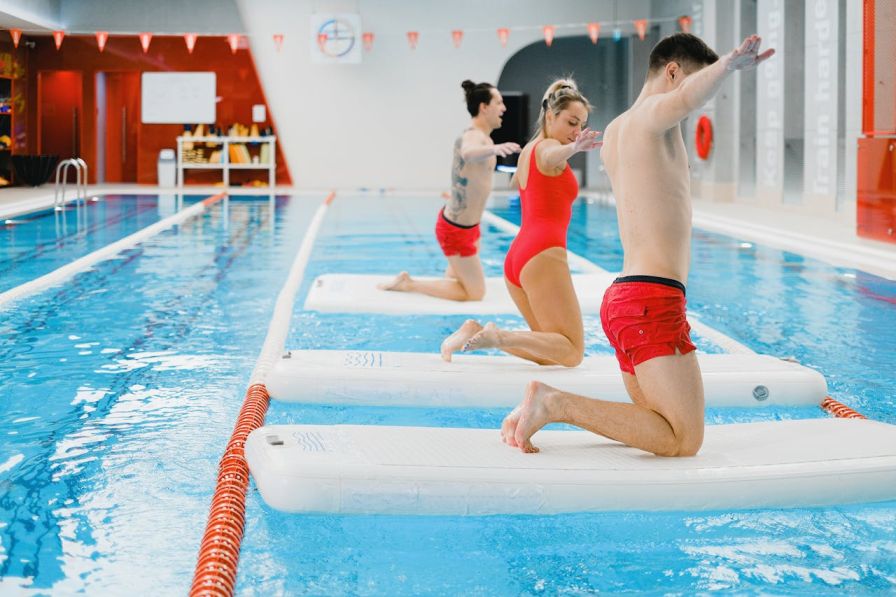
A supportive instructor can transform your swimming journey. Adult learners thrive in environments where patience, encouragement, and personalized feedback are priorities. Look for instructors who focus on your individual comfort level and learning pace, rather than rushing through swimming classes.
They’ll provide valuable corrections on swimming styles, help identify common mistakes in backstroke swimming, and suggest exercises to improve swimming endurance. The trust built between a student and instructor makes challenging lessons manageable and even enjoyable.
Learn to Swim as an Adult: It’s Never Too Late
Learning to swim as an adult can feel intimidating, but with the right guidance, it’s completely achievable. Step by step, you can build confidence in the water, improve your technique, and enjoy the freedom swimming brings. At Puddles Swim School, our expert instructors make every lesson safe, supportive, and fun—helping adults of all levels take the plunge with confidence.
The Social Benefits of Swimming
Swimming is not only physical—it’s social. Many adult swim programs offer group swimming classes that create a sense of community. Sharing milestones, celebrating small wins, and learning in a supportive environment can make your swimming journey more enjoyable.
Outside of the pool, swimming for cardiovascular fitness impacts general health, and socialization is a contributor to mental health. Again, a unique benefit that swimming offers to any other form of exercise or activity is the combination of physical and social engagement.
Safety and Swimming Skills
Safety should always be your first priority. Understanding swimming safety basics—like staying within depth limits, learning to float, and recognizing signs of fatigue—is essential.
As your confidence grows, you can continue moving deeper. Some of the things you will learn (e.g. efficient swimming, breathing properly, stroke technique) are also safety skills. The more skilled you are and confident you become, the safer you will feel in all bodies of water.
Conclusion
Learning to swim as an adult is a journey that requires a healthy amount of patience, consistency, and courage. Everything you do, whether it is establishing goals, improving your comfort in the water, or working on breathing patterns and swimming techniques are all important and worthwhile. In the right hands, the right swimming classes, and the right amount of practice will help turn your initial fears into excitement.
And do not forget; swimming is more than just a skill – it is a way to improve your physical fitness, mental health, and enjoyment of life. So, get in the pool and let yourself breathe, float, and move with the water. Eventually, you will not just know how to swim, you will love every stroke.
Frequently Asked Questions
Introduce water gradually, play games that build confidence, and model calm behavior. Positive reinforcement goes a long way.
Take gradual steps: practice floating, use flotation devices, and stay within a trusted instructor’s supervision.
Focus on breathing, relax your body, and remember that swim lessons are structured to increase comfort step by step.
Yes, swimming engages multiple muscle groups, from arms and shoulders to core and legs, promoting balanced strength.
It combines different swimming strokes—freestyle, backstroke, breaststroke, and butterfly—into a single race or workout.
Yes, most swimmers wear contacts safely, often paired with goggles for protection and clarity underwater.
Other Blogs

sign up for our weekly newsletter
Lorem ipsum dolor sit amet consectetur. Lectus molestie nisi vitae leo et consectetur.
