

Finding the Right Swim School for Your Child
Learning to swim is one of the most valuable life skills a child can acquire. Beyond the obvious fun of splashing around, swimming offers lifelong benefits: it improves coordination, builds strength, enhances confidence, and—most importantly—protects children from the dangers of water. In a province like Ontario, where lakes, pools, and waterfront activities are a way of life, children’s water safety is essential.
Finding the right swim school is the first and most critical step. Parents often wonder: When to start infant swim lessons? Are swimming lessons worth it? How important is swimming for kids? Is swimming good for kids’ growth? The answer to all of these is yes—early exposure sets children up for a lifetime of safety and enjoyment in the water. But not all kid’s swimming lessons are created equal.
In this article, we’ll walk through what matters most when choosing a children’s swim school in Ontario, and highlight some of the best swimming schools in the province.
Key Takeaways:
- Start kids early—confidence in the water builds from their very first splash.
- Look for certified instructors who know how to teach (and connect with) children.
- A clear level-based program helps kids see progress and stay motivated.
- Safe, clean facilities create a comfortable space for learning.
- The right swim school nurtures skills and a lifelong love of the water.
Understanding What Matters in a Good Swim School
When deciding on a place to take your child for swim lessons, you should look past location and price.
The best schools emphasize safety, quality of instruction, and having a professional and supportive environment.
Here are 4 things to think about:
1. Instructor Credentials:
A great swim instructor can make the difference between a positive learning experience and a challenging experience. Look for schools that employ certified swim instructors trained through nationally recognized programs such as Lifesaving Society or Red Cross.
Qualified instructors understand child development, know how to teach proper swim stroke lessons, and are trained in baby safety and children’s water safety techniques. This is especially crucial for infant swimming lessons, where safety and comfort are the top priorities.
Also consider class ratios. Smaller groups or private swim lessons allow instructors to give more personalized feedback, helping kids build confidence and progress through swimming lesson levels faster.
Quick Checklist:
- Instructor certifications (Lifesaving Society)
- Current first aid/CPR certification
- Experience with children at various ages and swimming levels
- Low student-to-teacher ratios
2. Curriculum & Progression:
An effective swimming class should not just be a matter of splashing about in the pool. Ask questions about free swim classes, inquire about the school’s curriculum: Are there swimming levels for students to progress through? Do they evaluate skills regularly?
The best programs follow a structured approach, starting from infant swimming lessons and advancing through to confident, independent swimming. Early levels often focus on water comfort, floating, and basic safety, while later swim lesson levels include proper breathing, stroke development, endurance, and even introductory lifesaving skills.
Progress tracking matters too. Schools that provide progress reports or certificates motivate kids and reassure parents that their child’s kid’s swimming classes are leading somewhere.
Look for:
- Clear level structure from beginners to advanced
- Measurable skill benchmarks
- Individualized feedback and assessments
- Opportunities to join advanced or competitive programs later
3. Safety, Facilities & Environment:
Safety should always be non-negotiable. Before enrolling your child in any swimming lessons, visit the facility. Is the swimming pool clean and well-maintained? Are there instructors on duty? Are there clear rules about supervision, hygiene, and emergency procedures?
Modern, clean facilities signal that the school prioritizes both safety and comfort. Many parents also appreciate the benefits of a saltwater swimming pool, which is gentler on young skin and eyes than traditional chlorinated pools.
If you’re considering at-home above ground pool swimming pool setups, remember that these lack professional supervision and safety measures, making professional children’s swim lessons even more vital for water safety.
Main Elements to Look for:
- Safety gear and association with first aid
- Lifeguards on duty
- Clean change rooms and deck
- Good water temperature or heaters for warmth
- Non-slip surfaces and secure pool fencing
4. Atmosphere & Teaching Method:
A supportive, nurturing atmosphere is immensely valuable, especially for anxious and nervous beginners. Children, and particularly younger children, do well when they feel safe and supported.
Observe how instructors interact with students. Are they patient and positive? Do they make learning to swim fun? A play-based approach often works best in early kid’s swimming lessons, while older kids benefit from more structured feedback.
Schools that celebrate small victories help build children’s confidence, which is key for long-term progress. Remember, swimming lesson success depends just as much on emotional readiness as physical ability.
Why Puddles Swim School is the Right Choice

If you’re based in or around Kitchener and searching for quality Kitchener swimming lessons, Puddles Swim School stands out for several reasons:
1. Highly Qualified Instructors:
Puddles employs passionate, certified swim instructors who are experts at working with children of all ages. From beginners to advanced swimmers, they guide students safely through all swimming lesson levels.
2. Tailored Programs for All Ages:
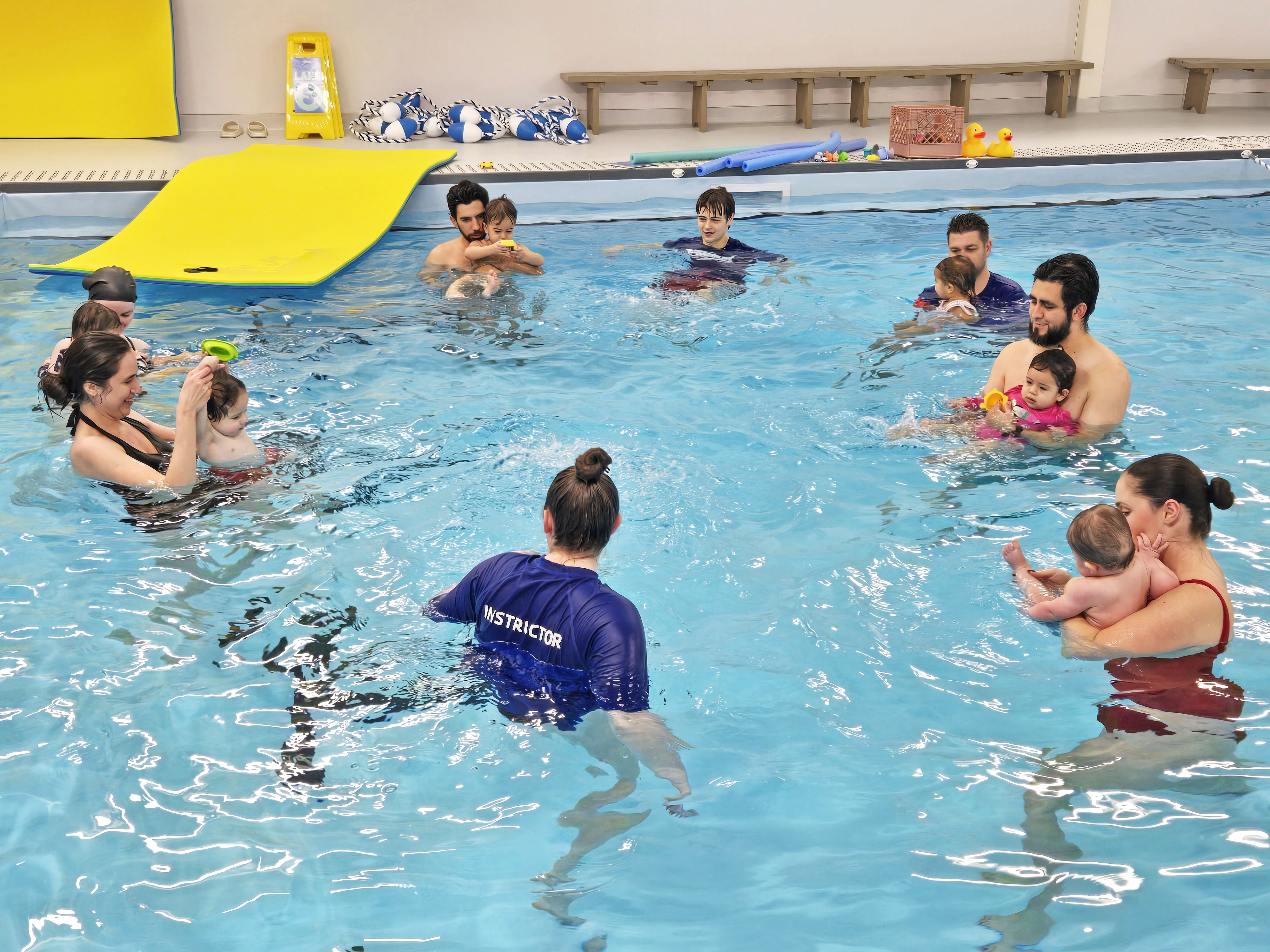
Puddles offers everything from infant swimming lessons to advanced stroke development. Parents who are wondering when to start infant swim lessons will find Puddles’ gentle, play-based approach ideal for babies, while older kids benefit from focused swim stroke lessons and skill progression.
3. Warm, Saltwater Pool Environment:
Their purpose-built facility includes a comfortable indoor swimming pool with a pool water warmer system and the many benefits of a saltwater swimming pool, which is kinder to children’s skin and eyes. The space is designed to be welcoming, clean, and safe.
4. Focus on Water Safety:
Every lesson emphasizes baby safety and children’s water safety. Students learn not only how to swim but how to behave safely around water—skills that can save lives.
5. Flexible and Private Options:
Families can choose between group classes and private swim lessons, making it easier to fit swim lessons into busy schedules or support kids who need extra attention.
6. Fun and Encouraging Atmosphere:
At Puddles, swimming is fun. Lessons are designed to spark confidence, curiosity, and joy in the water, helping kids develop a lifelong love for swimming. Our unique Montessori-inspired facility is thoughtfully designed with soft, low-stimulation color palettes that create a calm, welcoming, and joyful environment for both children and parents.
Conclusion
Picking the right swim school isn’t just about enrolling in the closest swimming class—it’s about finding a place where your child can truly flourish. You want a safe, supportive, and thoughtfully structured environment that helps them build skills and confidence in the water.
As you explore kids’ swimming classes, look closely at the details that matter: instructor qualifications, the curriculum and how it progresses, safety standards, the quality of the facilities, and the overall atmosphere. The right school will make your child feel supported from their very first splash, setting the stage for a lifetime of confidence in the water.
If you’re looking for a school that combines expert instruction, a warm and safe swimming pool, and a focus on children’s water safety, Puddles Swim School could be the perfect fit. It’s more than just children’s swim lessons—it’s an investment in your child’s safety, health, and happiness.
Frequently Asked Questions
A: Water acclimation and safety skills can usually begin around 6 months. Lessons start at this age in a relaxed environment, with parents also swimming with their infants.
A: Absolutely. Learning to swim equips kids with essential water safety skills, builds confidence, and supports physical development.
A: Extremely important—especially in a water-rich province like Ontario. Swimming reduces drowning risk, encourages active play, and builds lifelong fitness habits.
A: Yes. Regular swimming lessons improve strength, coordination, lung capacity, and flexibility while promoting overall physical and mental development.
Other Blogs

sign up for our weekly newsletter
Lorem ipsum dolor sit amet consectetur. Lectus molestie nisi vitae leo et consectetur.
