


From First Splash to Confident Swimmer: A Parent’s Guide to Swim Lessons
Learning to swim is one of the most valuable life skills your child can gain. It’s not just a fun activity—it’s an essential safety skill that can protect them in and around water throughout their lives. But if you’re a parent wondering when should my child learn to swim? you’re not alone. Knowing when to start and how to approach swim lessons can feel overwhelming at first. At Puddles Swim School, we’re here to guide you through every splash and stroke. This blog covers the ideal ages to start swimming lessons, what different types of children’s swim classes involve, how to supervise your child around water, and what to expect as they grow into confident swimmers.
Key Takeaways:
- Beginning swim lessons at a young age fosters water confidence and decreases fear.
- Parent-child classes are perfect for infants, toddlers and preschoolers to learn safety fundamentals and skills.
- Once a child turns four, independent swim lessons will teach the necessary swimming techniques and strokes.
- Regardless of the swimmer’s skill level, ongoing supervision is critical for water safety.
- The more practice kids get, the faster they develop into strong, confident swimmers over time.
When Should My Child Learn to Swim?
There’s no single “perfect age” to start swimming—every child develops differently. However, experts agree that introducing children to water early on, in a safe and supportive setting, builds familiarity and confidence that can last a lifetime. The key is choosing the right kind of class for your child’s age and stage. Puddles Swim School typically divides early swimming education into two stages: parent-child toddler & preschool swim classes, and independent swim lessons for children ages 4 and up.
Parent-Child Toddler & Preschool Swim Classes

Here’s what you need to know:
1. Why Start Early?
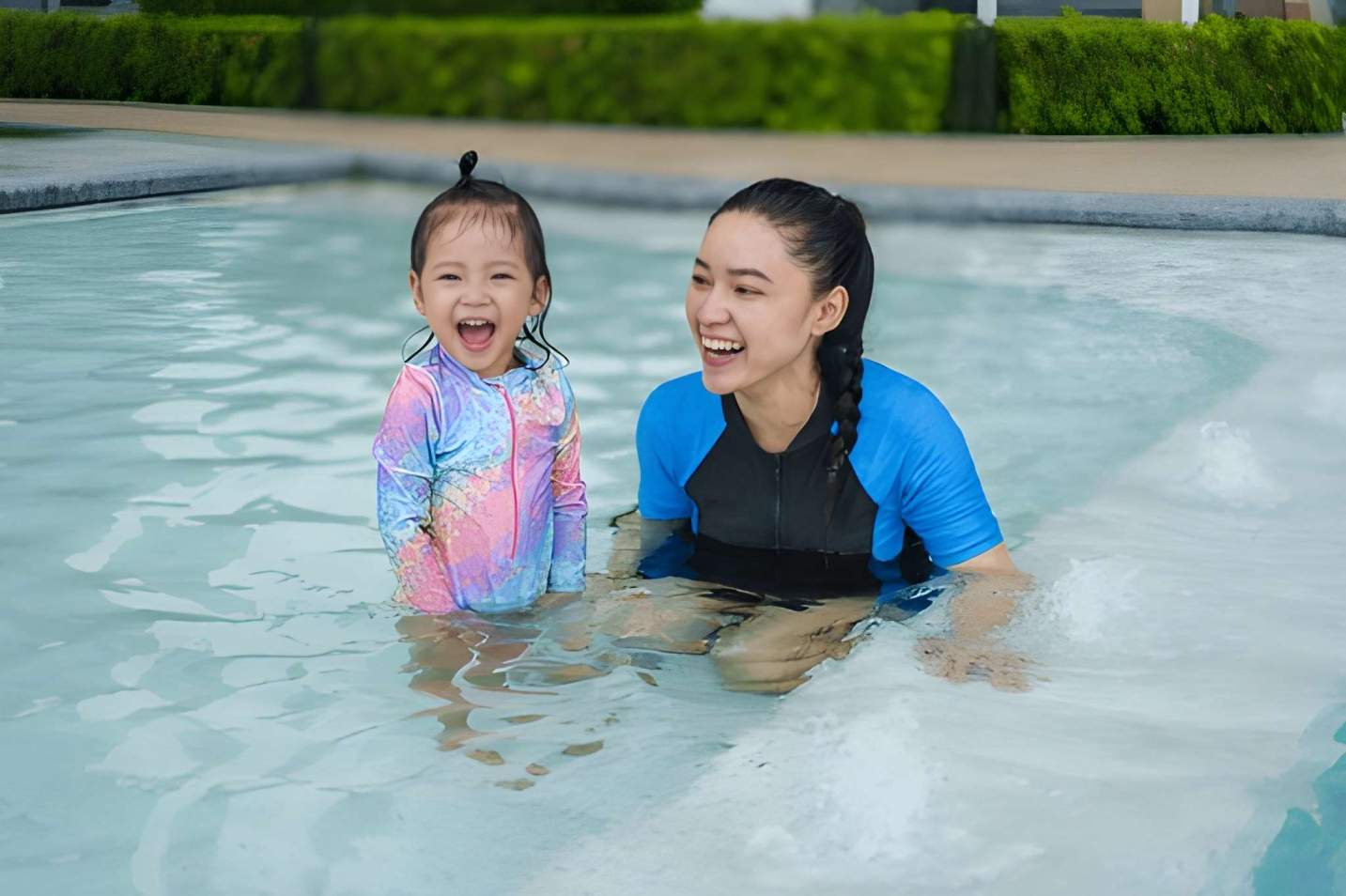
Early exposure to water builds comfort and reduces fear. This is where infant swimming lessons and toddler swimming lessons come in. These classes aren’t about turning your baby into an Olympic swimmer—they’re about helping them feel happy, safe, and relaxed in the water while learning vital water safety skills.
2. What are Infant Swim Classes Like?
Infant swim lessons are designed for babies from as young as 6 months (as soon as they can hold their head up). Many parents wonder, “can infants swim?” While infants have natural reflexes that make them appear to paddle, they can’t truly swim on their own yet. Instead, infant swim classes focus on gentle, play-based activities like floating, splashing, and blowing bubbles.
If you’re wondering when can newborns go swimming or can a newborn swim, it’s best to wait until your baby is at least 6 weeks old before even taking them into a pool, and around 6 months before starting formal lessons. You’ll also want a newborn swimming costume or newborn swimming float to help keep them safe and comfortable.
3. What About Toddler and Preschool Swim Classes?
Around ages 2 to 3, children can start a preschool swim class or a swimming for tots program. These still involve parents in the water, but gradually encourage more independence. Swimming classes for 2-year-olds often include games that teach basic kicking, floating, and breath control. These early skills are the building blocks for future swimming success.
Classes are usually short (20–30 minutes) and full of songs, toys, and movement to make water feel like a fun, friendly place. Most importantly, they emphasize water safety for kids—teaching little ones not to run near the pool, to wait for a grown-up before getting in, and how to safely exit the pool.
Swim Lessons for Children Ages 4 and Up
By age 4, most kids are ready to join children’s swim lessons without a parent in the water. At this stage, their bodies and coordination have developed enough to learn proper swimming techniques. This is when we see kids progress quickly in confidence and skill.
What to expect at this stage:
1. Swimming Classes for 8–11-year-olds:
Older beginners can also learn quickly. We often see students in swimming classes for 10-year-olds or swimming classes for 11-year-olds build skills at a faster pace, since they can follow instructions well and are motivated to learn. They might move through levels faster, progressing from basic strokes to endurance swimming, treading water, and even learning simple rescues.
2. Swimming Classes for 4–7 year olds:
Classes for this age group build fundamental water skills—floating, gliding, front crawl, backstroke, and basic breathing techniques. Many children start with swimming classes for 4-year-olds or swimming classes for 6-year-olds, and some may start slightly later with swimming classes for 7-year-olds. These group classes keep things fun and playful while teaching safety skills like how to roll onto their back to breathe if they get tired.
Group vs. Private Swimming Classes
Group lessons are fantastic for developing social skills and self-esteem. However, for a child who is shy, nervous, or has special needs, private swimming lessons are a great option. The individual attention in swimming classes will help children gain skills at a speedier rate and help them get over any fears in a more personal setting. No matter the format, children’s swim class is about more than just strokes—it’s about building trust, confidence, and lifelong water safety habits.
How to Supervise Your Child In or Near Water
Even if your child is enrolled in the best kids’ swim lessons, constant supervision is still essential. Drowning can happen quickly and silently, even in shallow water. Knowing how to keep your child safe around water is just as important as the lessons themselves.
Here are some key safety guidelines every parent should follow:
1. Always Stay Within Arm’s Reach:
For infants, toddlers, and young children—even in a kids’ swimming pool—you should be close enough to touch them at all times.
2. Be a Water Watcher:
Put your phone away, avoid distractions, and keep your eyes on your child. Designate an adult to watch the pool if there are multiple adults around.
3. Use Proper Flotation Devices
While a newborn swimming float can be fun, remember it is not a safety device. Only use Coast Guard–approved life jackets for real safety support, and never rely solely on floaties or inflatable toys.
4. Teach Water Safety Early:
Even in infant swim classes, children can learn simple safety behaviors like waiting for permission to enter the water. Reinforce these lessons consistently.
5. Fence Your Pool:
If you have a home pool, install a four-sided fence with a self-latching gate to prevent unsupervised access.
6. Keep Skills Fresh:
Swimming is a skill that needs practice. Enrolling your child in ongoing swimming classes for kids helps them maintain and build on their abilities.
Supervision isn’t just about preventing accidents—it’s about modeling safe, confident behavior around water so your child learns to respect it.
Confident Swimmers with Puddles Swim School
Give your child the gift of water confidence with Puddles Swim School. Our safe, supportive, and fun classes help little ones build essential swimming and water safety skills from their very first splash. Enroll today and watch your child grow into a happy, confident swimmer — one stroke at a time.
Conclusion
Learning to swim opens up a world of fun, fitness, and confidence for children—but most importantly, it saves lives. Starting early with infant swimming lessons or toddler swimming lessons helps children feel safe and comfortable in the water. From there, they can progress to preschool swim class, then children’s swim lessons and beyond, gaining skills they’ll carry for life.
At Puddles Swim School, we believe swimming should be joyful, empowering, and safe at every age. Whether your little one is just splashing in the shallow end or perfecting their backstroke, our caring instructors are here to guide them every step of the way.
Remember: the best time to start swimming is when your child is ready, and the best way to keep them safe is with a combination of quality lessons and vigilant supervision. Dive in early, stay consistent, and watch your child’s confidence soar.
Frequently Asked Questions
A: Most babies can start infant swim classes at around 6 months old, as soon as they can hold their head up. Always check with your pediatrician first, especially if your baby was born prematurely.
A: You can introduce your baby to water around 6 weeks old for gentle playtime, but formal infant swimming lessons are recommended from 6 months. Make sure the water is warm (around 32°C/89°F) and shallow.
A: No, newborns can’t swim. They have natural reflexes that make them appear to paddle, but they cannot swim or hold their breath safely. That’s why supervision and support are essential.
Other Blogs
Swimming is not just a recreational activity, it is a skill that is life-saving and necessary for every child to learn. For families in Ontario, particularly in the Kitchener area, with so many lakes, rivers, and backyard pools, there is always water nearby. To ensure your child is confident and safe in or around water, … Swim Smart: A Parent’s Guide to Swim Lessons in Ontario

sign up for our weekly newsletter
Lorem ipsum dolor sit amet consectetur. Lectus molestie nisi vitae leo et consectetur.
